
I’m going to say something that might shock you: people can be obnoxious. Shocking, right? And because we have such a profound capacity for being irritating, society decided we needed a shorthand to describe those who excel at public displays of entitlement. Enter the term “Karen.” Everyone’s heard it. Some folks love it. Others roll their eyes. But it sure stuck around and became part of daily chatter. We see it used whenever someone acts like the universe exists solely for them. But this word has also fueled endless debates about whether it’s sexist, classist, or a stale label that lumps everyone into a single category.
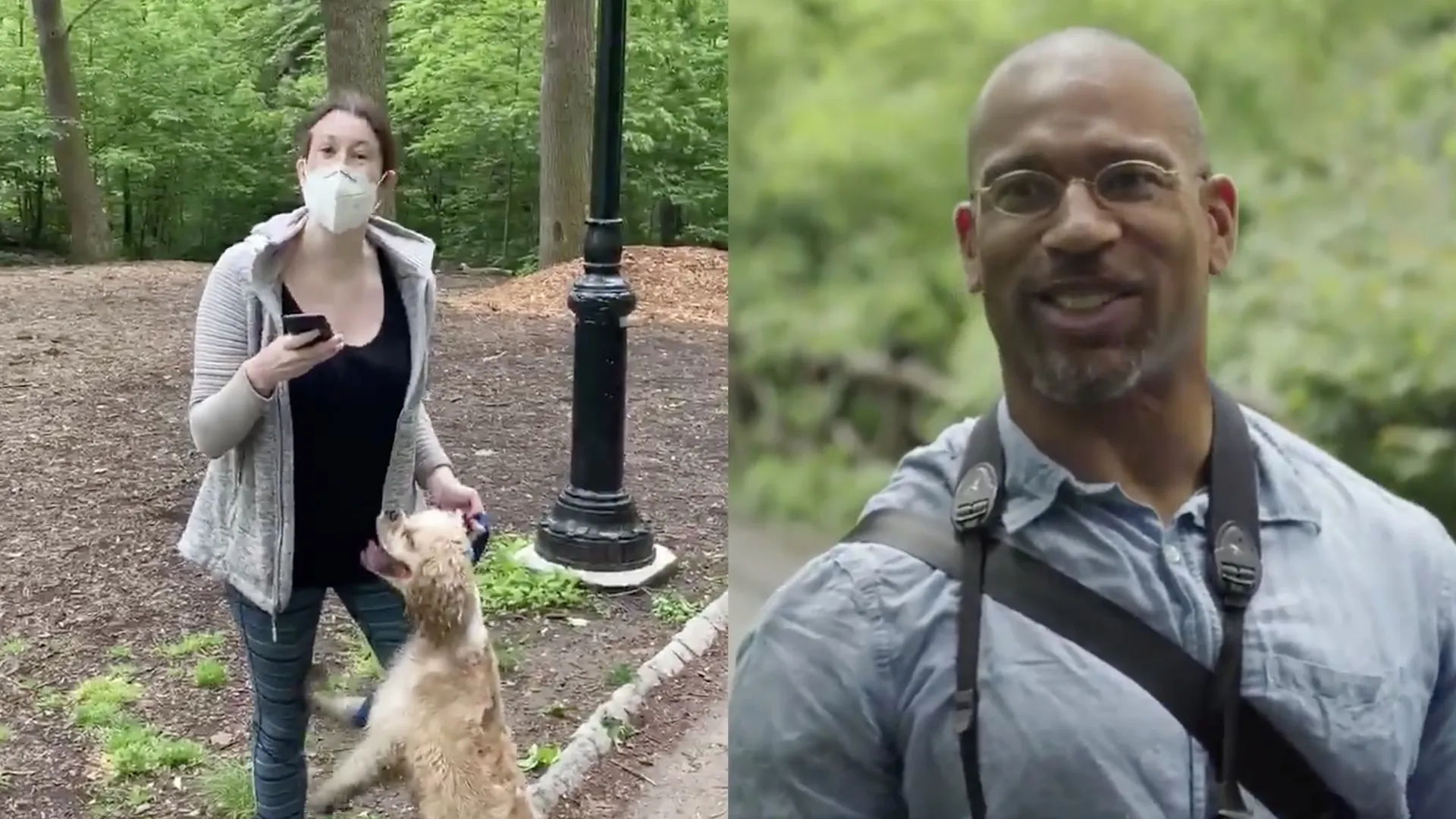
No matter where you stand, you probably know about the infamous Central Park birdwatching incident in May 2020. That’s the day Amy Cooper became the official face of “Karen behavior,” though I’m sure no one would want that title. One dog off its leash, one man politely birdwatching, one frantic 911 call, and we had ourselves a social media hurricane that still resonates today. It’s worth asking: do we pile all blame on one individual, or is there a bigger conversation here about race, privilege, and how we react under pressure? Maybe it’s both.
The Evolution of “Karen”
Before we get into the Central Park episode, I want to talk about the term “Karen.” In my opinion, it’s a label that’s been watered down by overuse. First, it was applied to people who demanded to speak to the manager because their coupon wasn’t honored at the local grocery store. Then it was tossed at folks complaining about their neighbor’s loud music. Eventually, it became a catch-all for any middle-aged woman who cut in line or demanded an extra plastic bag. As with all labels that blow up in pop culture, “Karen” has lost some of its original bite. It’s turned into a lazy way of saying, “You’re annoying me right now.”
But let’s not pretend the Karen phenomenon appeared out of nowhere. People have long felt there’s a certain type of individual who wields entitlement like a shield. The kind of person who will call corporate offices at the drop of a hat if they don’t get what they want. “Karen” just gave a quick, viral name to it.
The Central Park Birdwatching Incident
Now onto the headline event: the day Amy Cooper was walking her dog in Central Park’s Ramble area without a leash. Christian Cooper, an avid birdwatcher (who, by the way, shares the same last name but is not related), asked her to leash her dog because that section of the park requires leashes to protect wildlife. Seems reasonable, right? But apparently reason took a vacation that day. Amy refused. Then Christian started filming the situation.
What happened next became a massive story: Amy called 911. Her voice grew panicked, and she specifically emphasized that there was an “African American man” threatening her and her dog. The entire call felt rehearsed, like she was trying to conjure the scariest possible scenario for the police. This was one of those moments where many people thought, “Did she really just do that?”
The video spread so quickly that you’d think it had wings of its own. It hit social media almost immediately, and millions of people watched Amy Cooper’s reaction with a mixture of disbelief and outrage. Some folks were mad at her for being over-the-top about a harmless situation. Others pointed out she was leveraging racial bias by naming his race in such a dire tone.
The Fallout for Amy Cooper
Within hours (or so it seemed), Amy Cooper’s life took a nosedive. Her employer publicly fired her, stating they had zero tolerance for any form of racism. After that, she faced a legal charge for filing a false police report. Talk about your day spiraling into an unending nightmare. She eventually completed some kind of therapeutic program and had her charges dropped.
But the story didn’t end there. She sued her former employer for wrongful termination, alleging that they rushed to judgment, and she also claimed she was the victim of race and gender discrimination. That lawsuit ultimately went nowhere. Along the way, she wrote an op-ed about how her life had turned upside down. She insisted there were never any racial implications to her actions and that she wanted a frank conversation about what happened.
There are two ways to interpret that: one is to believe she genuinely felt misunderstood and persecuted. The other is to think she was trying to spin a PR narrative after the damage was done. Either way, she had a pretty rough go at finding work again, and it’s fair to assume her dog-walking habits have changed.
Christian Cooper’s Perspective
Meanwhile, Christian Cooper found himself thrust into an unintentional spotlight. He was just out there looking for birds, probably hoping to spot a rare species or just enjoy a peaceful morning. Suddenly he was the center of national attention. Instead of letting the incident fade into an awkward memory, he used his moment of fame to promote diversity in birdwatching. He even hosted a TV show about birding and wrote a book. So in a weird twist, the “Karen meltdown” led to a bigger platform for a nature enthusiast who was simply minding his own business.
That’s one positive outcome: Christian Cooper took the fiasco and turned it into an opportunity to discuss race, public spaces, and how we treat each other. He also reminded people that birdwatching is for everyone, and yes, you do need to leash your dogs so you don’t disrupt local wildlife.
The Larger Social Context
Many people saw this incident as a snapshot of racial bias in America. A white woman calling the police on a Black man, emphasizing his race, and creating a sense of danger that wasn’t there. The conversation quickly turned to how people of color are sometimes put in peril when 911 is called, even if they haven’t done anything wrong. This was part of why everyone was so outraged.
Others pointed out that there’s also a broader conversation about how we handle confrontations in public spaces. Some folks argued that filming strangers in tense situations can escalate conflicts. But that argument often overlooks the reality that without video, many of these cases might remain hidden. Amy Cooper’s call might have been believed outright by authorities, and Christian Cooper could have faced real consequences.
The fallout from this case was big enough that it contributed to legislative changes in some areas, making false, racially motivated 911 calls a hate crime. Whether you see that as an overreach or an appropriate response likely depends on your own worldview. But there’s no denying that it added fuel to ongoing debates about policing, racism, and how society handles these kinds of conflicts.
“Karen” as a Symptom, Not the Disease
What happened in Central Park was significant, but it’s also just one instance of a bigger pattern of entitled, sometimes racially charged behavior. Shouting “Karen!” at everyone who annoys you might feel satisfying, but it doesn’t solve the deeper issues at play. People misuse authority, fall back on stereotypes, or overreact all the time, and slapping a meme label on it doesn’t automatically create a better community.
Maybe the better question is: why does this keep happening? Why are we so quick to escalate minor disputes instead of trying to defuse them? And how do we combat the impulse to call the police over trivial disagreements? The answers probably involve education, empathy, and accountability. But I’ll admit, none of that is as snappy as calling someone a “Karen.”
Amy Cooper’s Attempts to Clear Her Name
In her op-ed, Amy Cooper said she faced death threats, harassment, and the inability to find work. She insisted she didn’t mean to bring race into the discussion. That part is tough to swallow for many people because the 911 call was so clearly framed around Christian Cooper’s race. She might claim it wasn’t racial, but the call sure sounded like she was painting him as an immediate danger based on nothing other than her discomfort.
Still, it’s possible she felt threatened in the moment. Sometimes our instincts betray our biases. That’s part of the conversation about unconscious prejudice or the things we’ve internalized from society. Maybe she was terrified, but if so, why was she terrified? And does that terror excuse a potential misuse of police resources?
Looking Back and Moving Forward
Three years later, the Central Park birdwatching incident stands as a cultural touchstone about what happens when entitlement, anxiety, and racial bias collide. Amy Cooper went from an anonymous professional to a viral pariah with a ruined career. Christian Cooper went from an average bird enthusiast to a known figure with a platform to advocate for change. The rest of us got to watch it unfold in real time on social media, condemning or defending various aspects of the story and forming strong opinions about what it all means.
But maybe the story also shows how complicated human interactions can be. On the surface, it’s a Karen meltdown. Beneath that, there’s a web of issues about who feels safe in public spaces, who calls the police and why, and how quickly society rushes to brand someone a villain or a victim. Amy Cooper might not have started that day thinking she’d be the face of racial profiling. Christian Cooper definitely didn’t start the day imagining he’d become a spokesperson for birdwatching and social justice.
Final Thoughts
The “Karen” narrative might fade over time, or it might stick around as a cultural label for a while yet. The Central Park incident, though, is here to stay as a reminder of how quickly an ordinary moment can spiral into a national controversy. Some call it a teachable moment. Others see it as yet another example of weaponizing race.
In any case, it didn’t take much—a leash, a camera phone, a stressed-out call to 911—to set off a chain of events that changed two people’s lives and fueled debates across the country. If you see a lesson, maybe it’s that we should stay calm, leash our dogs, and think before calling the police. And if you see nothing but a fiasco, that’s okay too. Just know this fiasco reflects real issues that flare up when people let panic and bias override simple decency.
If one day we move past the meme-worthy label “Karen,” we might have to look at the root causes of these incidents. Until then, Central Park 2020 remains a cautionary tale about how not to handle a Sunday morning stroll.