Print Campaign vs Digital Campaign: When Each Channel Does a Better Job

Print earns physical attention and local presence. Digital delivers speed, targeting, testing, and retargeting. Here is how to choose—or combine them.

Print earns physical attention and local presence. Digital delivers speed, targeting, testing, and retargeting. Here is how to choose—or combine them.
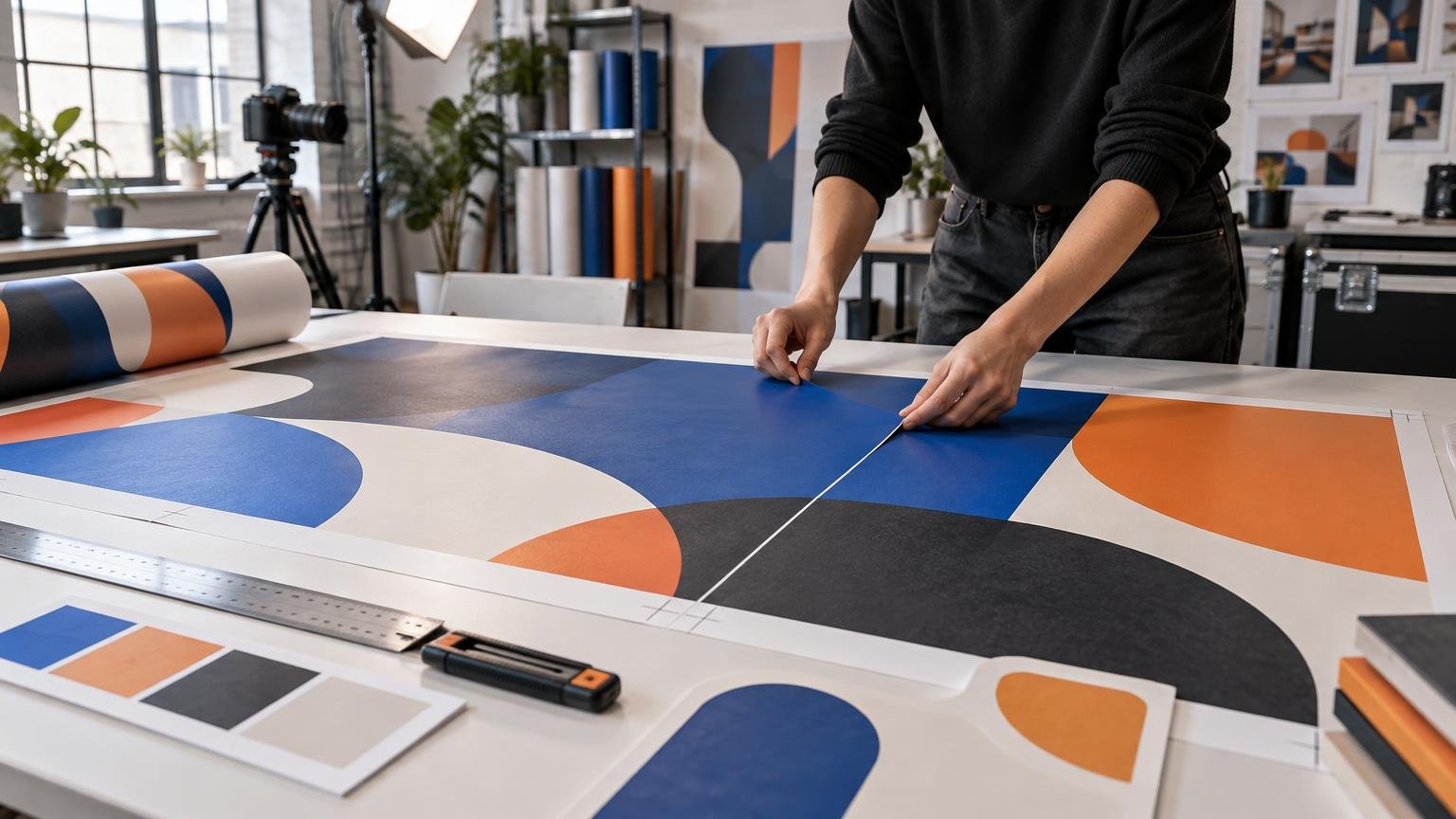
A production-focused checklist for preparing large-format artwork, including effective resolution, scaled files, color separations, panel overlaps, bleed, safe areas, contour cuts, and proofing.
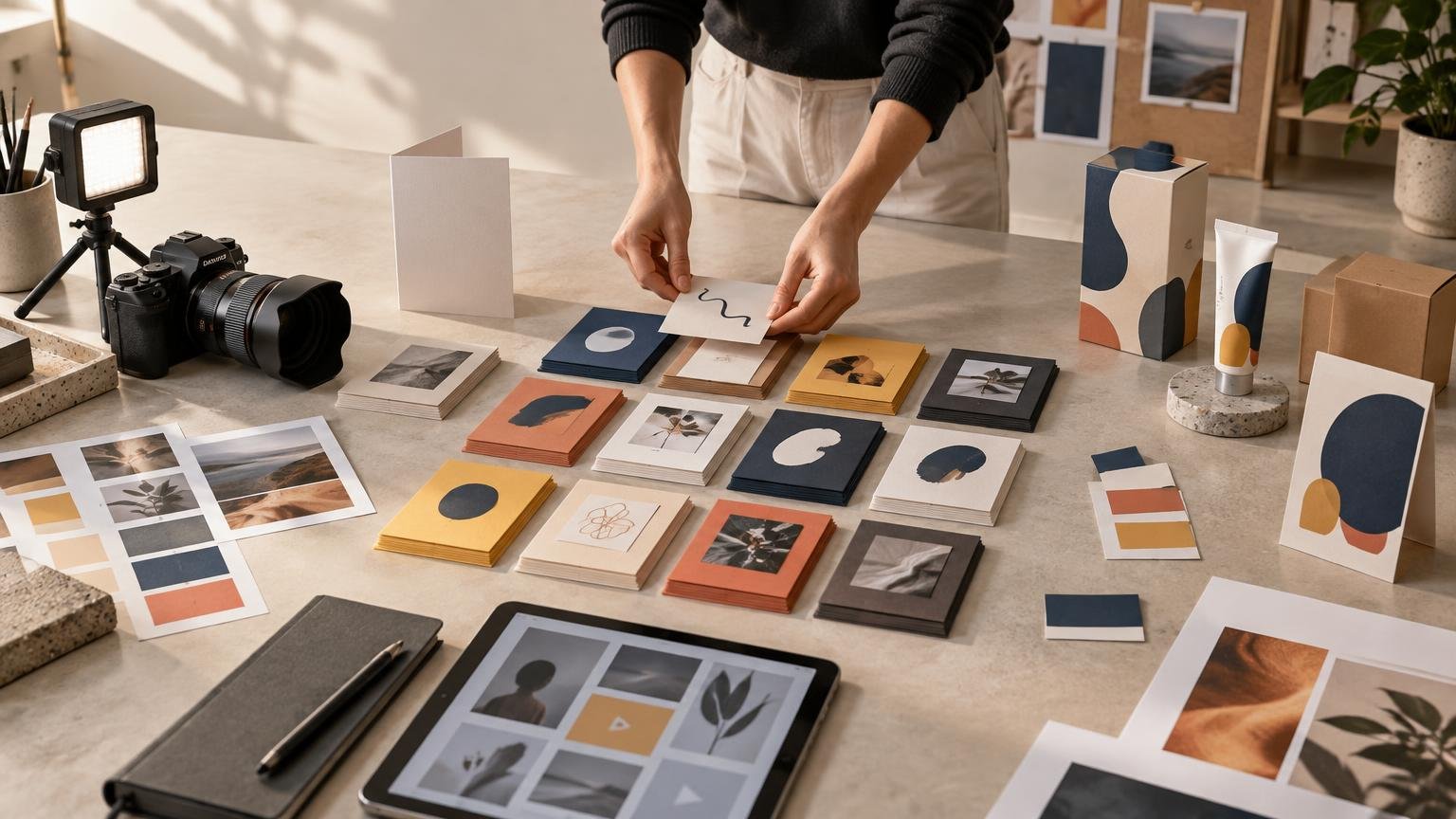
A practical system for capturing customer questions, clustering them by intent, choosing the right format, and building a measurable year-long content plan.
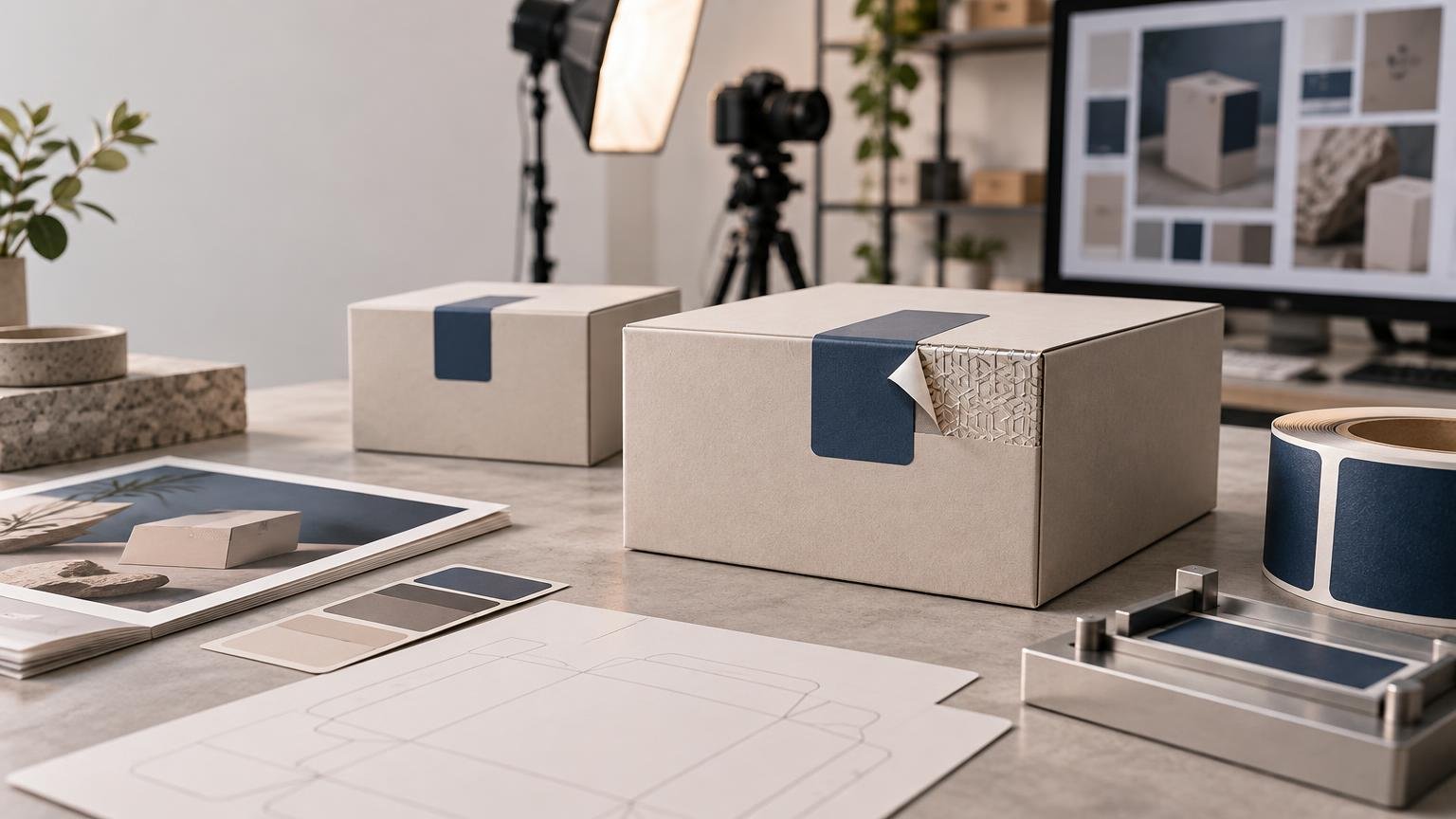
Tamper-evident labels work only when their material, adhesive, placement, and application process match the package and the type of interference that must become visible.
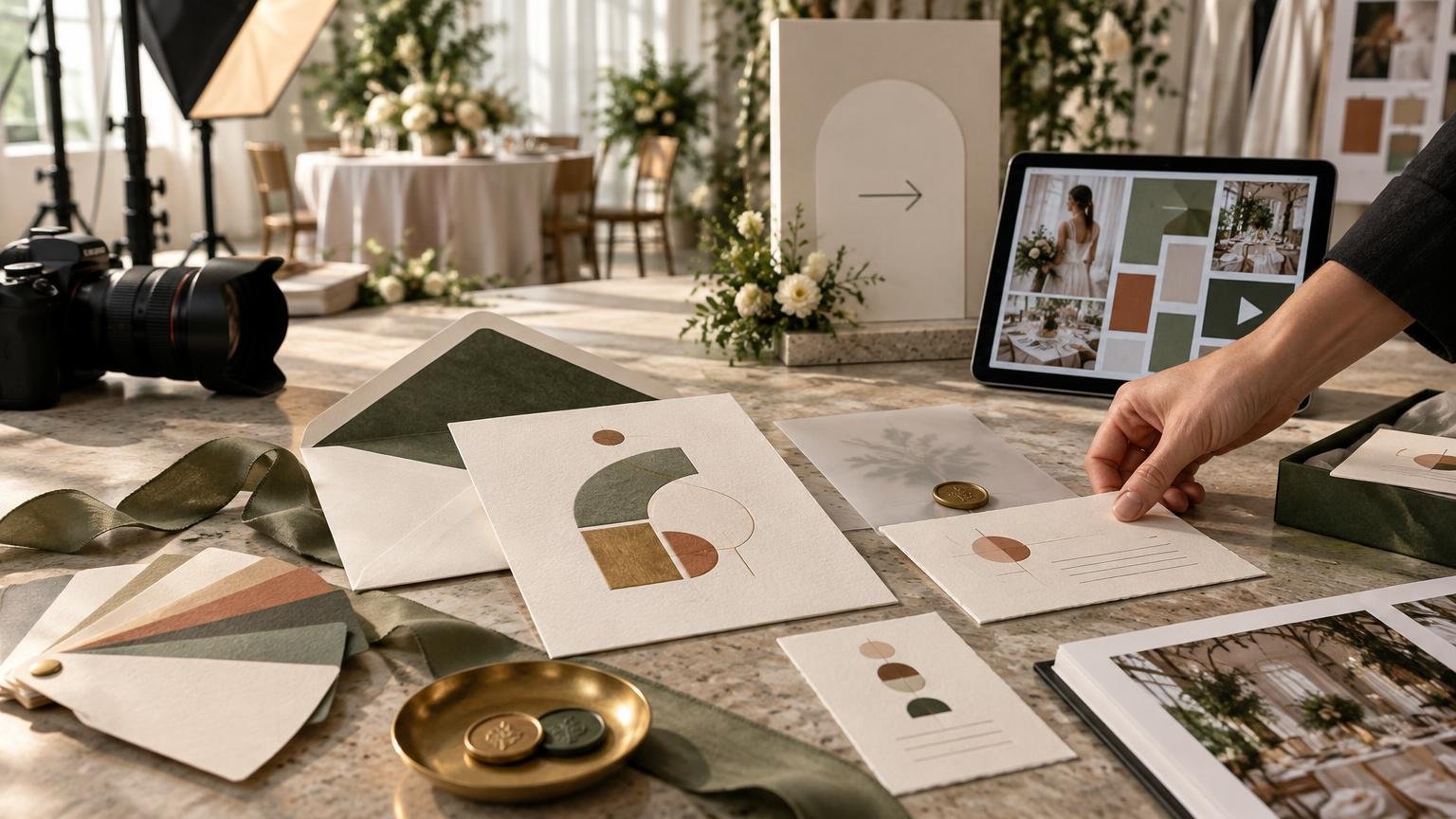
A coordinated invitation suite can introduce the event experience, clarify the guest journey and give venues and planners a repeatable system for print and digital communication.

Most seasonal campaigns should begin 8 to 12 weeks before launch, with more time for original photography, complex print, fulfillment, or multiple approval layers. This backward-planning framework keeps every channel moving toward the same date.

Plan a more productive brand photo shoot with a reusable shot list covering hero images, products, people, processes, locations, crop variations, and seasonal assets.
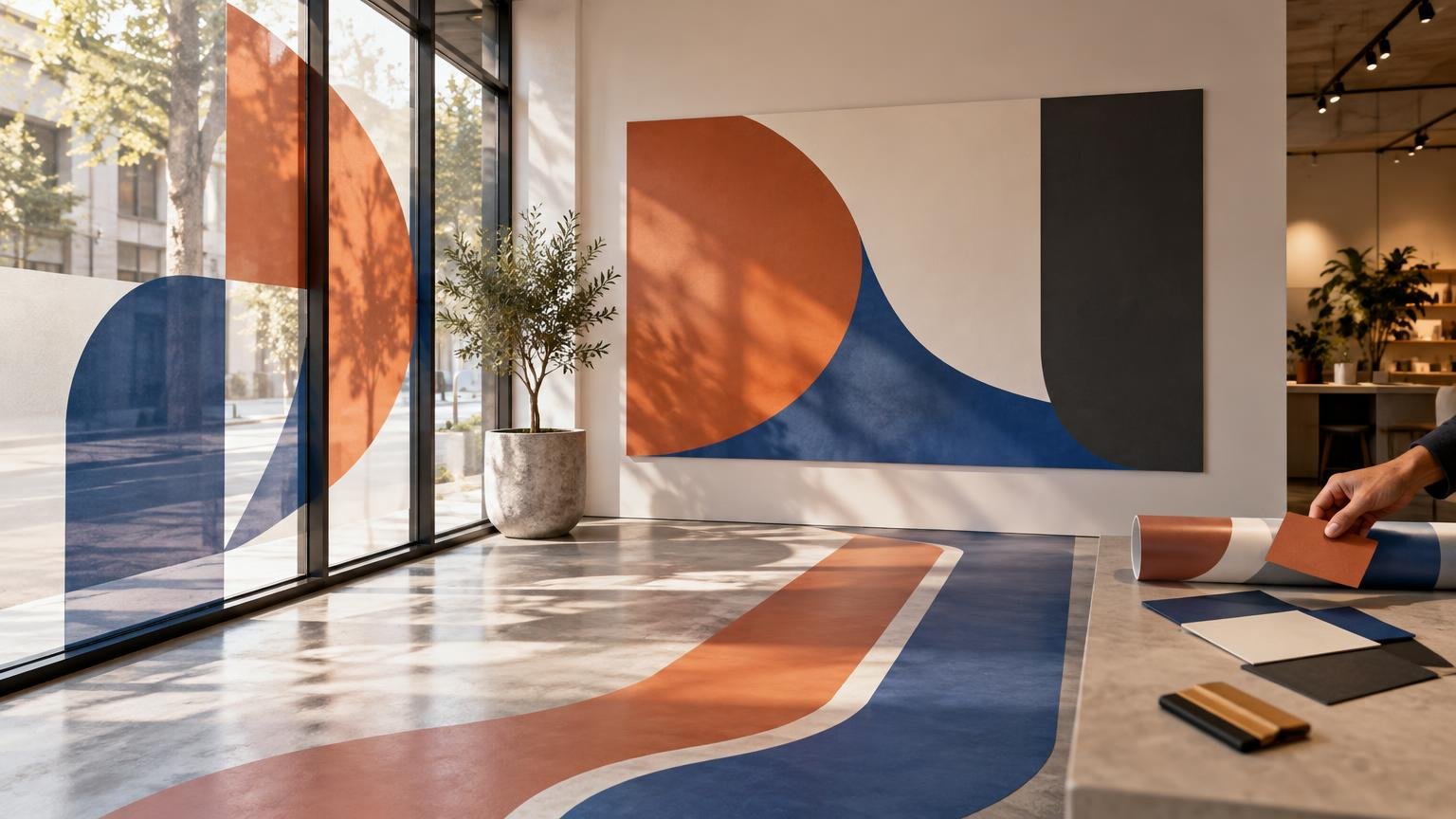
Compare window, wall, and floor graphics by audience, visibility, traffic, surface preparation, maintenance, removal, campaign length, and safety.
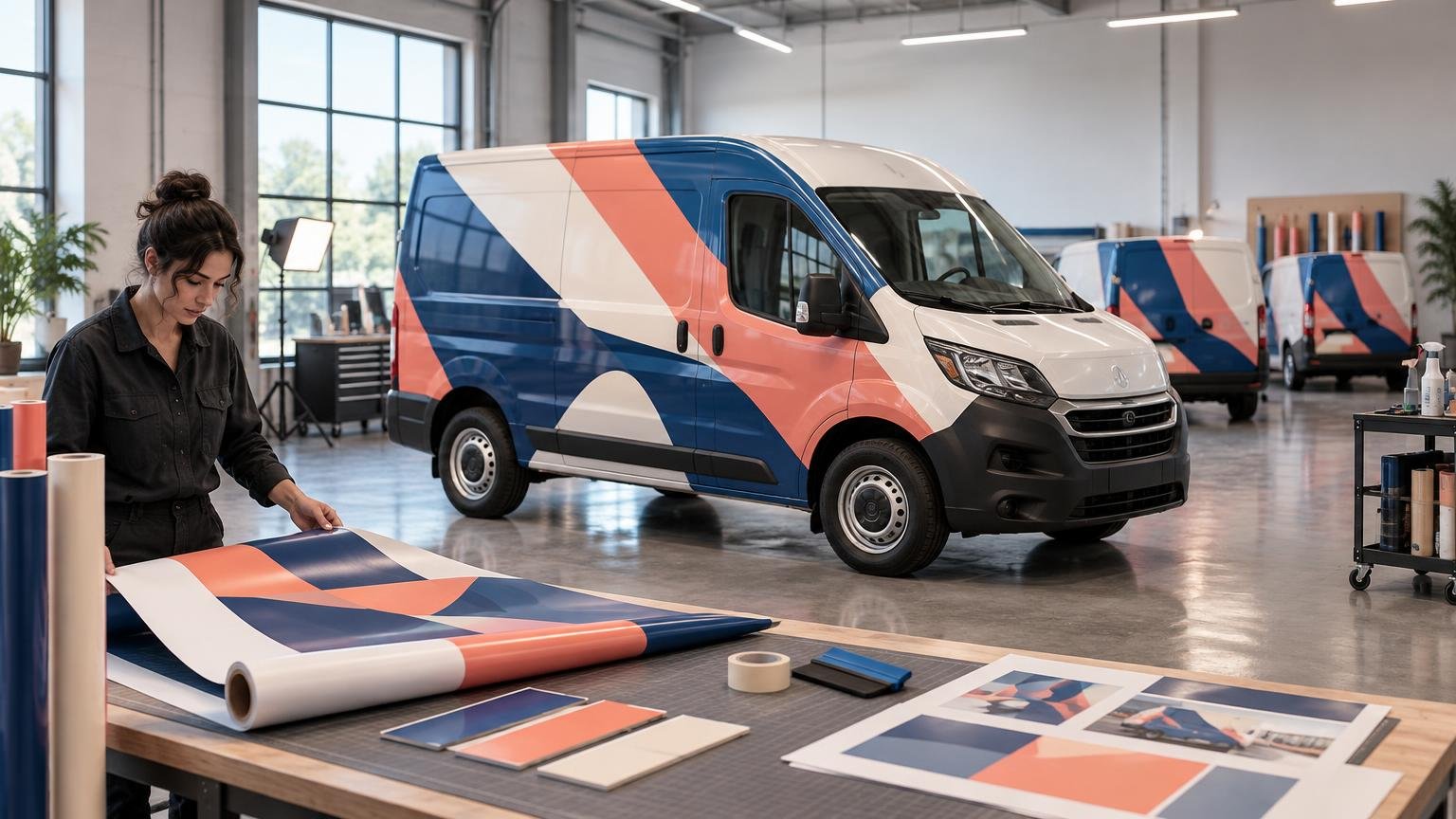
A practical framework for planning fleet graphics across multiple vehicles, from message hierarchy and coverage choices to installation, maintenance, compliance, and measurement.
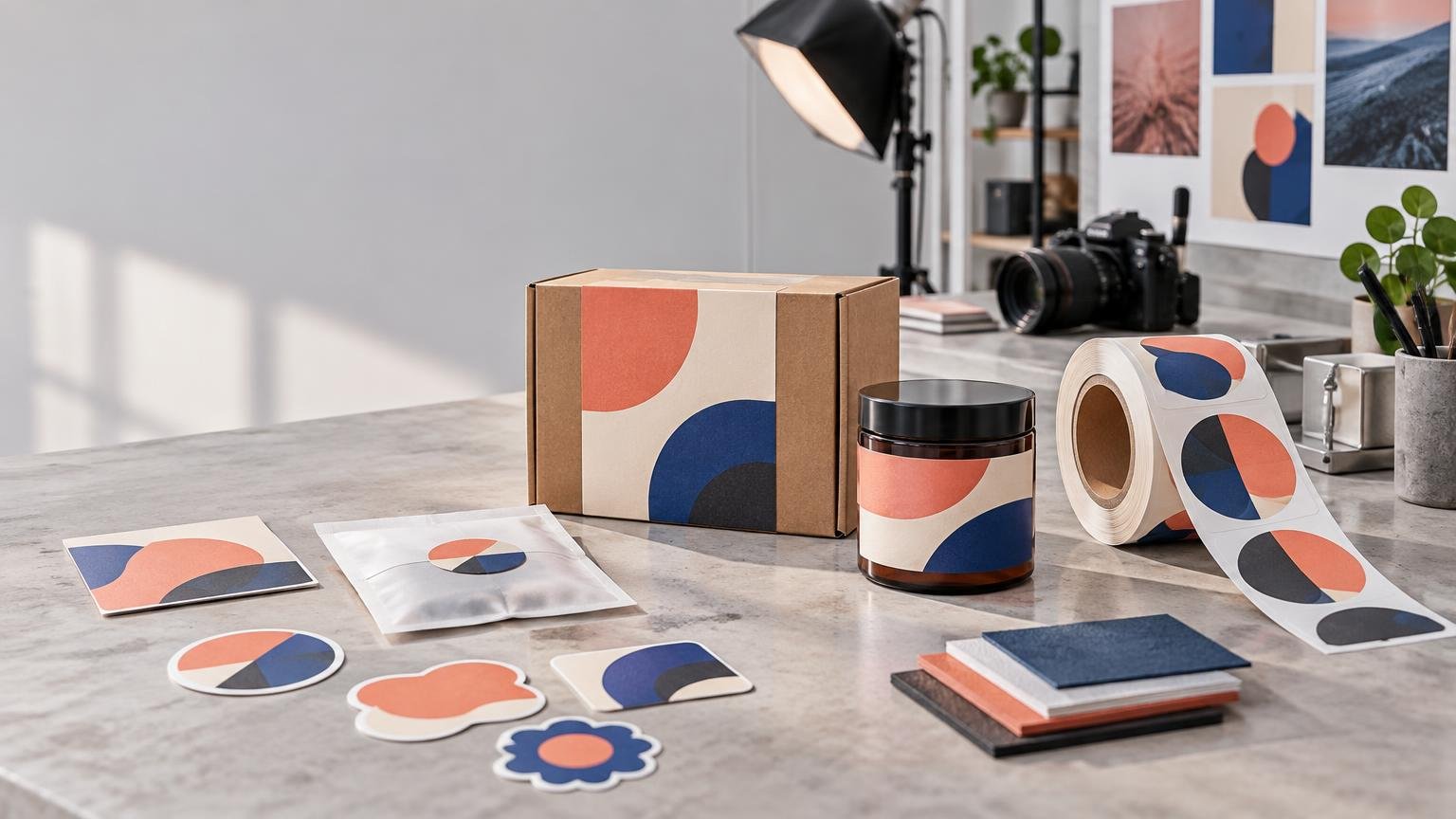
Choose labels for repeatable packaging workflows and functional product information. Choose stickers when the printed piece is a standalone promotion, insert, or giveaway.